- 16303 Hwy 99 Ste B-2, Lynnwood, WA 98087
- Call Us: 425-737-7760
- Hours: Mon - Fri 8am - 6pm / Sat - Sun 9am - 5pm
Most asphalt shingle roofs last 20-30 years, while metal roofing can last 40-70 years and PVC or TPO flat roofing typically lasts 20-30 years. Where your roof actually falls in that range depends on the material, installation quality, attic ventilation, and how much maintenance it’s received. In Western Washington, near-constant moisture and moss growth tend to push roofs toward the lower end of their expected range unless they’re maintained proactively. The only way to know exactly where your roof stands is a free professional inspection from a local roofer who knows what our climate does to a roof over time.

Homeowners often ask “how long does a roof last?” expecting a single answer, but the honest response is: it depends on which roof, installed how, in which climate, maintained how often. Two identical asphalt shingle roofs installed the same year, one on a shaded, moss-prone lot in Everett and one on a sun-exposed, well-ventilated home in Bellevue, can age at noticeably different rates.
This guide breaks down realistic lifespan expectations by material, the specific factors that speed up or slow down aging in our region, and how to tell where your own roof actually stands, so you can plan ahead rather than being surprised by a leak.
Here’s what you can realistically expect from the most common roofing materials used across Snohomish and King County:
|
Roofing Material
|
Typical Lifespan
|
Maintenance Level
|
|---|---|---|
A roof installed with proper nailing patterns, flashing detail, and underlayment will consistently outlast a rushed or improperly installed roof of the same material, sometimes by a decade or more.
Poor attic airflow traps heat and moisture against the underside of the roof deck, which accelerates shingle aging from below, not just from sun exposure above.
South- and west-facing slopes take more UV exposure and typically show granule loss and brittleness sooner than shaded slopes.
Heavily shaded roofs stay damp longer after rain, creating ideal conditions for moss, which lifts shingles and shortens their functional life if left untreated.
Steeper roofs shed water faster and tend to stay drier than low-slope roofs, which can pool water and age faster if drainage isn’t well designed.
Roofs that get regular gutter cleaning, prompt repairs, and periodic inspections consistently reach the higher end of their expected lifespan range.
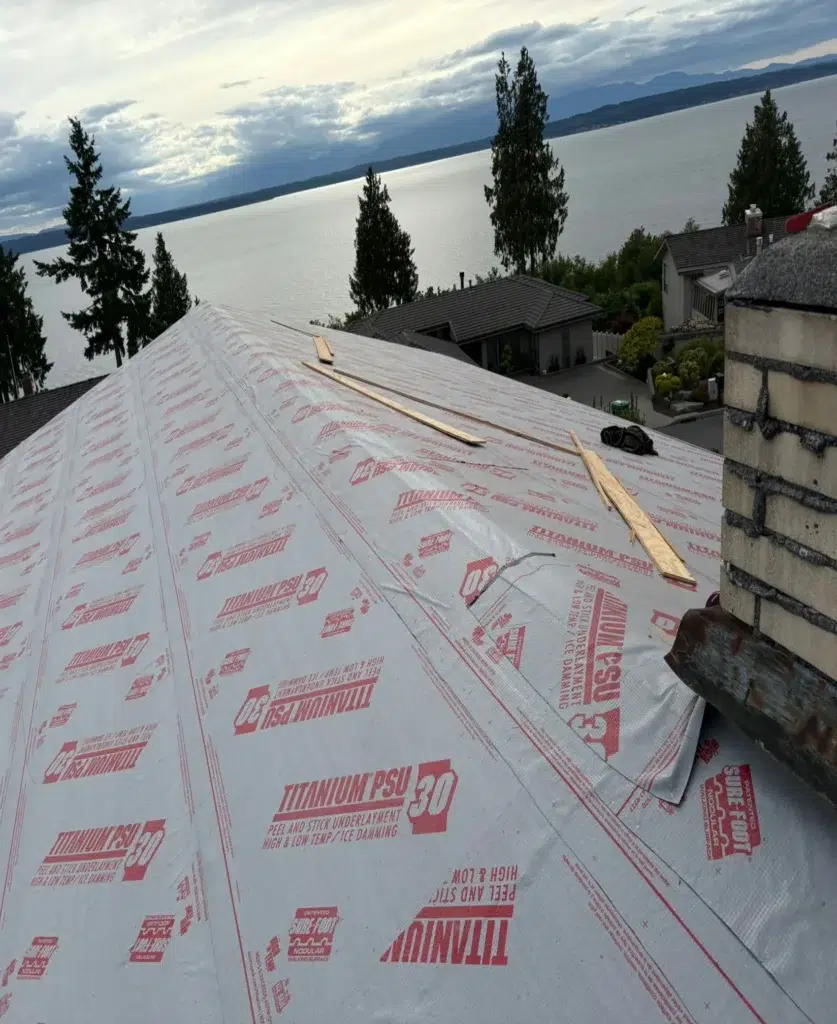
Western Washington’s climate isn’t harsh in the way freeze-heavy or hail-prone regions are, but it presents its own steady wear pattern that homeowners elsewhere don’t have to think about as much:
None of this means a roof in our area can’t reach or exceed its expected lifespan — it just means proactive maintenance matters more here than it would in a drier climate.
Age is a strong indicator, but these visual and physical signs confirm whether a roof is actually approaching the end of its useful life, regardless of the exact year it was installed:
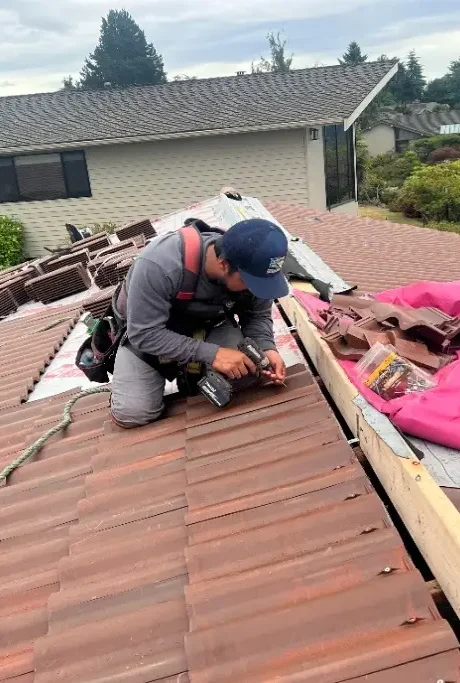
A handful of consistent habits can meaningfully push a roof toward the upper end of its expected range:
so water has a clear path off the roof edge instead of backing up under shingles.
ideally in late spring, to catch minor wear before the fall rains arrive.
with professional roof cleaning rather than letting it spread.
A single loose shingle or worn seal is a far smaller job than the water damage it can eventually cause.
if your home has poor airflow, since trapped heat and moisture age a roof from underneath.
For homeowners thinking about resale, roof age is one of the first things buyers, inspectors, and insurers look at. A roof in the back half of its expected lifespan can become a negotiating point during a sale, or a reason a buyer’s insurance application gets flagged. Some sellers choose to replace an aging roof before listing to avoid this friction entirely; others price the home accordingly and disclose the roof’s condition upfront. Either way, knowing exactly where your roof stands, rather than guessing, puts you in a stronger position.

Even a roof with no visible problems can be worth proactively replacing once it’s solidly into the back half of its expected lifespan. Waiting for a leak to force the decision often means dealing with interior damage, insurance complications, and emergency scheduling all at once, rather than planning the work on your own timeline. If your roof is within five years of the upper end of its material’s expected range, it’s worth starting the replacement conversation before a problem forces it.
A roof’s calendar age only tells part of the story. Two roofs of the same age can be in very different condition depending on installation quality, ventilation, and how well they’ve been maintained, which is why a professional assessment matters more than a simple year count. Skilled Roofing has served homeowners across Snohomish and King County for 16+ years, holds current licensing, bonding, and insurance, and was recognized as an Excellence in Roofing Award Winner in 2026. We’re a GAF-certified contractor, an NRCA member, and BBB accredited. Every inspection includes a clear, honest assessment of where your roof actually stands in its lifespan, not just an estimate based on age alone.

Yes. Many insurers in Washington now require roof inspections for homes with roofs over 15-20 years old, and some will decline to write a new policy or will limit coverage to actual cash value (rather than full replacement cost) on older roofs. A few carriers will non-renew a policy if an aging roof is flagged during an inspection. If your roof is approaching this range, it’s worth having a condition report on hand before you shop for or renew coverage.
To a real degree, yes. Regular gutter cleaning, prompt moss treatment, and addressing small repairs before they spread can meaningfully extend a roof toward the upper end of its expected lifespan range. What maintenance can’t do is stop the underlying materials from aging — a well-maintained 25-year shingle roof will still need replacement around the 25-30 year mark, just without the premature failures neglect would have caused.
If you’re the original homeowner, check your closing paperwork, permits, or any invoices from a past roofing job. If you bought the home and don’t have records, a professional inspection can usually estimate the roof’s age within a few years based on granule wear, shingle flexibility, and general condition, even without paperwork.
Not necessarily. Warranty length reflects the shingle manufacturer’s material warranty, not a guarantee of real-world performance, which depends heavily on installation quality, attic ventilation, and local climate exposure. Two roofs with an identical 30-year-rated shingle can age very differently depending on how well they were installed and maintained.
For homeowners planning to stay in their home long-term, often yes. Metal roofing can last 40-70 years with minimal maintenance, meaning it may be the last roof you ever need to install. The higher upfront cost is offset over decades by not having to pay for a replacement (or even a second replacement) that an asphalt roof would eventually require.
Indirectly, yes. An inspection itself doesn’t add years to a roof, but it catches small issues, a lifted shingle, worn flashing, early moss growth, while they’re still cheap and easy to fix. Roofs that are inspected annually tend to reach the upper end of their expected lifespan far more often than roofs that are never checked until something leaks.
View More Locations
"*" indicates required fields