- 16303 Hwy 99 Ste B-2, Lynnwood, WA 98087
- Call Us: 425-737-7760
- Hours: Mon - Fri 8am - 6pm / Sat - Sun 9am - 5pm
A Pacific Northwest roof needs maintenance at least four times a year — once per season — because the region’s near-constant moisture, moss growth, and heavy fall debris create different risks at different times of year. Spring focuses on winter-damage inspection and moss treatment, summer on gutter clearing and repairs while it’s dry, fall on gutter and debris prep before the rains return, and winter on storm-damage checks and ventilation. Skipping any one season is usually where small issues turn into leaks.
This guide breaks down exactly what to check each season and why it matters specifically in Western Washington’s climate — not a generic checklist written for a drier region.
Most roofing maintenance advice online is written for climates with a single dry season and a single wet season. Western Washington doesn’t work that way — rain is possible in any month, shaded roof sections stay damp for weeks at a time, and mature evergreens drop needles and branches nearly year-round. Two factors specifically drive the local maintenance schedule:
Spring is about assessing what winter did to your roof and getting ahead of moss before it spreads.

Summer is the best window for repairs and treatment, since it’s the driest, safest stretch of the year to be on the roof.
Fall is the most important maintenance season in the Pacific Northwest — this is your last real window to prepare before months of sustained rain.
Leaf and needle fall is heaviest in this window, and clogged gutters are one of the top causes of water intrusion under roofing.
A gutter system that's clear but draining improperly still causes damage.
Scheduling major trimming in late fall — after most leaf drop but before winter storms — minimizes both roof debris and storm-related limb damage.
These are the first points of failure once sustained rain begins.
especially on homes under mature fir, cedar, or maple trees.
A few tasks matter in every season, regardless of the calendar:
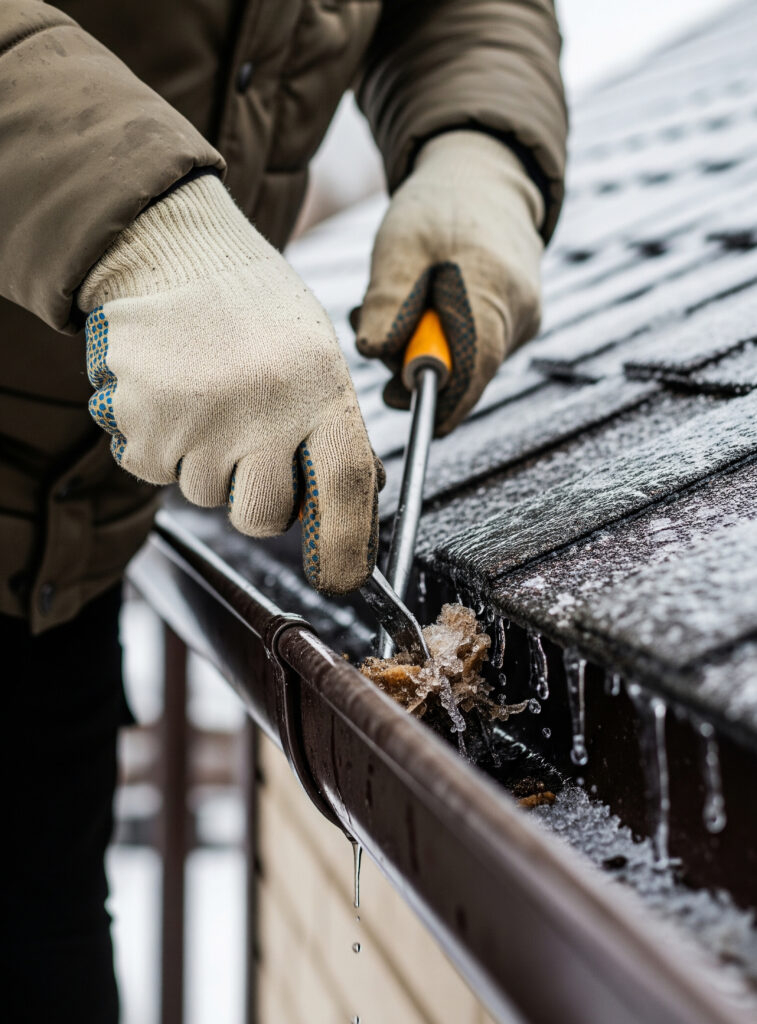
Winter isn’t a hands-on maintenance season so much as a monitoring and storm-response season — most roofs shouldn’t be walked in winter conditions.
| Season | Top Priority | Key Tasks |
|---|---|---|
|
Spring |
Assess winter damage |
Inspect shingles/attic, clear valleys, spot-check moss |
|
Summer |
Repair & treat |
Moss treatment, repairs, tree trimming, ventilation check |
|
Fall |
Prep for rain season |
Deep gutter clean, final tree trim, flashing/fastener check |
|
Winter |
Monitor & respond |
Post-storm inspection, ice dam watch, leak monitoring |
Most homes under trees need gutters cleared three to four times a year — heading into summer, again before fall leaf drop, and periodically through the fall and winter as needed — rather than the twice-a-year schedule often recommended for drier climates.
Summer is the ideal window. The roof is dry and safe to work on, and treatments have time to take full effect before the rainy season returns in fall.
Roofs over 15 years old should generally be inspected twice a year — typically spring and fall — in addition to a check after any major windstorm.
Generally no. Wet or icy roof surfaces are unstable and a common cause of fall-related injuries. Winter roof issues are best identified from the ground or through an attic/interior inspection, with repairs left to a professional.
"*" indicates required fields