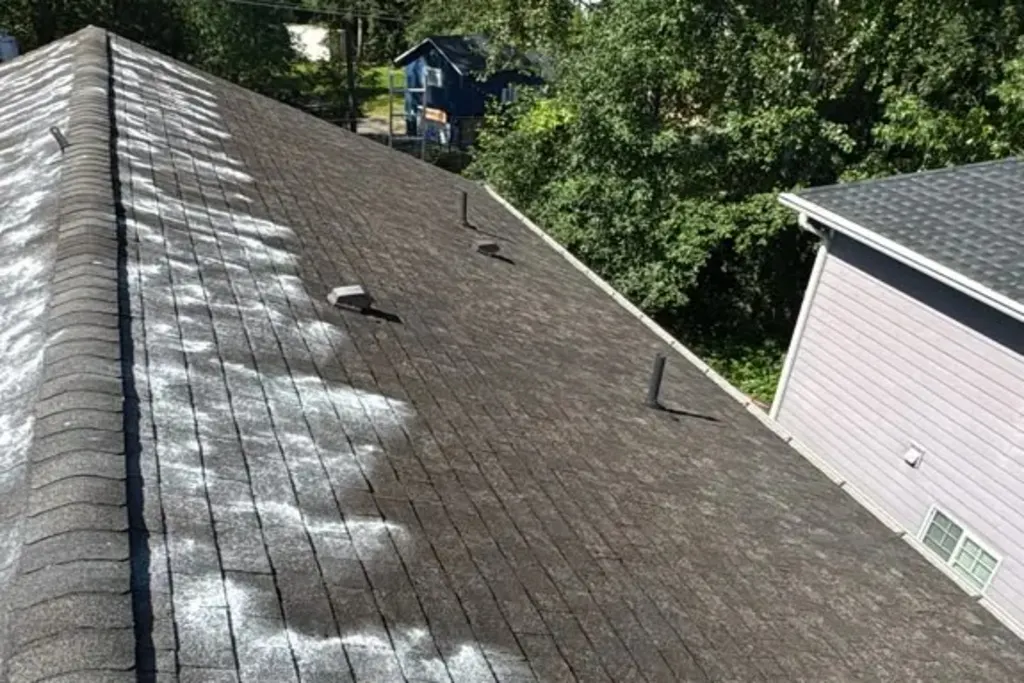
If you own a home in Lynnwood, you’ve probably looked up at your roof after a long stretch of rainy weather and noticed green moss, dark streaks, or piles of pine needles. It’s a common sight around here. Our wet climate and abundance of evergreen trees create the perfect conditions for moss and algae to thrive. While it may not seem like a big deal at first, leaving your roof untreated can lead to costly problems down the road. Whether you’re searching for “soft roof wash near me” or planning your next roof cleaning in Lynnwood, knowing what to look for can save you time, money, and unnecessary stress.
Your roof protects everything underneath it. Spending a little time caring for it now can help you avoid unexpected leaks, expensive repairs, and even a premature roof replacement.
Why Is Roof Cleaning So Important for Homes in Lynnwood?
Let’s be honest your roof takes a beating throughout the year.
Between constant rain, damp mornings, falling leaves, and nearby evergreen trees, it’s no surprise that roofs in Lynnwood collect debris much faster than those in drier areas. Unfortunately, that buildup does more than make your roof look dirty.
Moss traps moisture against your shingles. Leaves prevent water from draining properly. Algae can slowly weaken roofing materials over time. Together, they create the perfect recipe for leaks and premature wear.
The good news? Regular roof cleaning helps prevent these problems before they become expensive.
You don’t have to be a roofing expert to take good care of your roof. Following a simple maintenance routine once or twice a year can make a noticeable difference in your roof’s appearance and lifespan.
1. Start with a Visual Inspection
Before you grab any tools, simply walk around your home and take a close look at your roof from the ground.
Ask yourself:
- Do you see patches of moss?
- Are there black streaks running down the shingles?
- Is debris collecting in roof valleys?
- Do any shingles look loose or damaged?
You don’t need to climb onto the roof to spot many common issues. A pair of binoculars can even help you get a better view while staying safely on the ground.
If something doesn’t look right, it’s always worth contacting experienced Lynnwood roofers for a professional inspection.
2. Remove Leaves, Pine Needles, and Other Debris
This step might sound simple, but it’s one of the most important.
Leaves, pine needles, and small branches tend to collect in roof valleys, behind chimneys, and around skylights. Once they get wet, they hold moisture against your roof for days.
That trapped moisture encourages moss growth and can eventually damage your shingles.
Pay special attention to:
- Roof valleys
- Areas beneath large trees
- Around skylights
- Around vents and chimneys
Keeping these areas clean allows rainwater to flow naturally and helps your roof dry much faster after a storm.
3. Don’t Ignore Small Patches of Moss
Here’s a mistake many homeowners make.
They notice a little patch of moss and think, “It’s only a small spot. I’ll deal with it later.”
Unfortunately, moss rarely stays small.
Once it starts growing, it spreads quickly across damp shingles. As it grows, it holds moisture against the roof and can slowly lift shingles, creating small openings where water can seep underneath.
The earlier you deal with moss, the easier and less expensive it is to remove.
4. Choose Soft Washing Instead of Pressure Washing
If you’ve been searching online for “roof cleaning near me Lynnwood”, you’re already heading in the right direction.
Many people assume pressure washing is the fastest way to clean a roof, but that’s actually one of the biggest mistakes you can make.
High-pressure water can strip away the protective granules on asphalt shingles, shorten your roof’s lifespan, and even void certain manufacturer warranties.
Soft washing is a much safer option because it uses low-pressure equipment and specially formulated cleaning solutions to remove:
- Moss
- Algae
- Lichen
- Mold
- Dirt buildup
The result is a cleaner roof without unnecessary damage.
5. Don’t Forget Your Gutters
Roof cleaning and gutter cleaning go hand in hand.
As moss, leaves, and debris come off your roof, much of it ends up inside your gutters. If you skip this step, clogged gutters can cause rainwater to overflow and back up beneath your roofing materials.
After cleaning your roof, make sure to check your gutters for:
- Leaves
- Pine needles
- Moss
- Twigs
- Shingle granules
Clear gutters help direct water away from both your roof and your home’s foundation.
6. Look for Early Signs of Roof Damage While You’re Cleaning
One of the biggest advantages of routine roof cleaning is that it gives you a chance to spot small problems before they become major repairs.
As you inspect your roof, watch for things like:
- Curling shingles
- Missing shingles
- Rusted flashing
- Cracked vent boots
- Loose ridge caps
- Exposed nail heads
These issues may seem minor now, but they can quickly turn into leaks if left untreated.
That’s why many homeowners choose to have a professional inspection completed during their annual roof cleaning.
7. Trim Back Overhanging Tree Branches
Trees are one of the biggest reasons roofs in Lynnwood collect so much debris.
Overhanging branches constantly drop leaves, pine needles, and small twigs onto your roof. They also block sunlight, keeping your roof damp for longer after it rains.
If possible, trim branches so they’re several feet away from your roof.
Doing this helps:
- Reduce debris buildup
- Improve airflow
- Allow sunlight to dry the roof
- Slow moss growth
- Lower the chance of storm damage
It’s a simple step that can make a noticeable difference over time.
8. Check the Flashing Around Chimneys, Skylights, and Vents
When people think about roof problems, they usually think about shingles. But in many cases, leaks start somewhere else around the flashing.
Flashing is the metal material installed around roof features like chimneys, skylights, plumbing vents, and valleys. Its job is to keep water from sneaking into vulnerable areas of your roof.
As you inspect your roof, look for signs like:
- Rust or corrosion
- Loose or lifted flashing
- Gaps around chimneys or vents
- Bent or damaged metal pieces
If you notice any of these issues, don’t ignore them. A small flashing problem can eventually lead to water damage inside your attic or home. Taking care of it early is almost always less expensive than repairing water damage later.
9. Schedule a Professional Roof Inspection at Least Once a Year
Even if your roof looks fine from the ground, that doesn’t always tell the whole story.
Some roofing problems aren’t visible until someone gets a closer look. Small cracks, loose shingles, or early signs of moisture damage can go unnoticed for months.
That’s why many homeowners schedule a professional roof inspection once a year especially after the rainy season or a major windstorm.
A professional inspection can help identify:
- Hidden leaks
- Early moss damage
- Worn-out shingles
- Weak flashing
- Drainage issues
- Storm-related damage
Think of it as a yearly health check for your roof. Catching a problem early often means a much simpler and less expensive repair.
10. Know When It’s Time to Call the Professionals
There’s nothing wrong with handling simple maintenance around your home. But roof cleaning isn’t always a DIY project.
If your roof is steep, heavily covered in moss, or showing signs of damage, it’s safer to leave the work to experienced professionals.
A trusted roofing company Lynnwood homeowners rely on can safely inspect your roof, recommend the right cleaning method, and identify issues before they become serious.
If you’ve been searching for “roofing contractors near me”, look for a company with local experience, strong customer reviews, and a solid understanding of the unique roofing challenges Lynnwood homeowners face.
How Often Should You Schedule Roof Cleaning in Lynnwood?
One question we hear all the time is, “How often should I have my roof cleaned?”
The answer depends on your property, but for most homes in Lynnwood, every 12 to 24 months is a good rule of thumb.
You may need more frequent cleanings if:
- Your home is surrounded by tall evergreen trees.
- Your roof stays shaded most of the day.
- Moss tends to return quickly.
- You notice leaves and pine needles building up after every season.
Keeping up with routine maintenance is almost always more affordable than dealing with major roof repairs later.
What Roof Cleaning Mistakes Should You Avoid?
Sometimes, homeowners accidentally cause more harm than good.
Here are a few mistakes worth avoiding:
Using a Pressure Washer
Pressure washing may seem like a quick fix, but it can damage shingles by removing their protective granules.
Waiting Until Moss Covers the Roof
Moss is much easier to remove when it’s just starting to grow. Waiting too long usually means more work and a greater chance of roof damage.
Forgetting to Clean the Gutters
A clean roof won’t do much good if clogged gutters prevent water from draining properly.
Walking on a Wet Roof
Wet roofs can be extremely slippery. Your safety should always come first.
Ignoring Small Warning Signs
A loose shingle or tiny leak might not seem urgent today, but those small issues can quickly turn into expensive repairs if they’re ignored.
Why Preventative Roof Maintenance Pays Off
Many homeowners think of roof cleaning as another chore to cross off the list.
In reality, it’s one of the smartest investments you can make in your home.
Routine maintenance helps you:
- Extend your roof’s lifespan.
- Prevent costly repairs.
- Improve your home’s curb appeal.
- Protect your attic from moisture.
- Keep gutters flowing properly.
- Maintain your home’s value.
Most importantly, it gives you peace of mind knowing your roof is ready for whatever Lynnwood’s weather brings next.
Frequently Asked Questions
1. Is regular roof cleaning benefic?
Most homes benefit from professional roof cleaning every one to two years. If your home is surrounded by trees or experiences heavy moss growth, annual cleaning is often the better choice.
2. Is soft washing really safer than pressure washing?
Yes. Soft washing removes moss, algae, and dirt without damaging asphalt shingles. It’s the cleaning method recommended for most residential roofs.
3. Can moss actually damage my roof?
Absolutely. Moss traps moisture against shingles, which can cause them to lift, crack, and wear out much sooner than expected.
4. Should I clean my roof myself?
You can safely inspect your roof from the ground and remove light debris if it’s easily accessible. However, climbing onto a roof can be dangerous, especially when it’s wet or covered in moss. Professional cleaning is often the safest option.
5. How do I know when it’s time to call a roofing professional?
If you notice widespread moss, missing shingles, leaks, sagging areas, or persistent dark streaks, it’s time to have your roof inspected by a professional.
Don’t Wait Until a Small Roofing Problem Becomes a Major Expense
Your roof works hard every day to protect your home, especially with the rain and moisture we experience here in Lynnwood. Giving it the care it needs now can help you avoid unexpected leaks, costly repairs, and even an early roof replacement. A simple inspection and professional cleaning today could save you thousands tomorrow.
If you’re looking for reliable roof cleaning in Lynnwood, the experienced team at Skilled Roofing is here to help. We’ll safely remove moss and debris, inspect your roof for potential issues, and help you keep your home protected year-round.
Don’t wait for the next heavy rain to discover a roofing problem. Call Skilled Roofing today at 425-737-7760 to schedule your professional roof cleaning and inspection. Your roof and your wallet will thank you!