How Lynnwood’s Wet Climate Destroys Aging Roofs Faster Than You Think
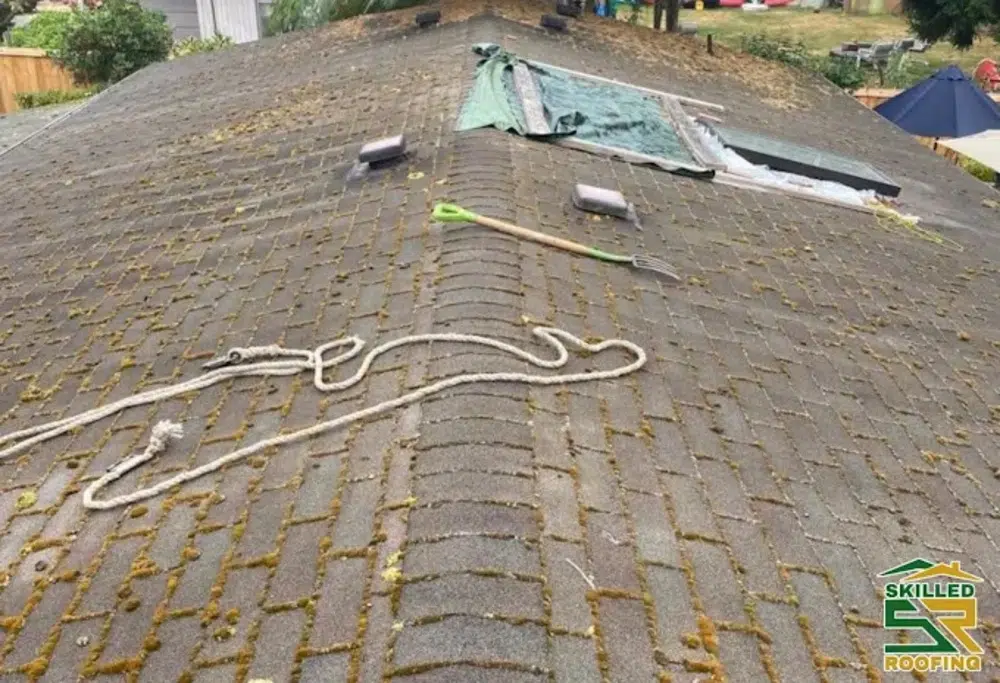
In Lynnwood, roofing systems endure constant exposure to rain, moisture, humidity, and seasonal weather fluctuations throughout the year. While many homeowners expect their roofs to last decades without major issues, the region’s damp climate often accelerates roof deterioration far sooner than anticipated. Small vulnerabilities such as worn shingles, minor flashing gaps, or poor attic ventilation can quickly develop into costly structural problems when exposed to continuous moisture. Over time, trapped water weakens roofing materials, encourages moss and algae growth, damages roof decking, and increases the risk of leaks inside the home. Unfortunately, many homeowners do not recognize the warning signs until extensive repairs become unavoidable. How can Lynnwood homeowners identify early roofing damage and prevent severe moisture-related issues before they escalate into expensive emergencies? Why Lynnwood’s Climate Is Tough on Residential Roofs Lynnwood experiences long wet seasons, heavy moisture exposure, and fluctuating temperatures throughout the year. These conditions create the perfect environment for roof deterioration. Unlike dry climates where shingles age gradually, Lynnwood roofs face constant moisture retention. Water penetrates vulnerable roofing materials over time and weakens structural integrity. Common Weather Conditions That Damage Roofs in Lynnwood These climate conditions explain why homeowners frequently search for Roof Replacement in Lynnwood before roofs reach their expected lifespan. Warning Signs Your Lynnwood Roof May Be Failing Many homeowners overlook early warning signs because roof damage often develops gradually. Unfortunately, small issues become major structural problems when moisture continues entering the home. Watch for These Local Roofing Red Flags 1. Curling or Missing Shingles Wet conditions weaken shingles over time. Curling edges indicate moisture damage and aging materials. 2. Dark Streaks and Moss Growth Heavy moss buildup signals trapped moisture. This issue is extremely common on shaded Lynnwood roofs surrounded by trees. 3. Ceiling Water Stains Brown discoloration inside your home often means water already penetrated multiple roofing layers. 4. Sagging Roof Areas A sagging roofline may indicate rotting decking beneath shingles. 5. Granules in Gutters As asphalt shingles deteriorate, protective granules wash away during rainstorms. 6. Rising Energy Bills Moisture-damaged roofing insulation reduces energy efficiency and forces HVAC systems to work harder. If you notice these signs, contacting experienced Lynnwood roofers quickly can prevent larger repair costs. How Moisture Quietly Destroys Aging Roof Systems Moisture damage rarely stays visible on the surface. Water infiltration slowly attacks multiple roofing components simultaneously. 1. Shingles Begin Losing Protection Aging shingles lose their waterproof barrier after years of exposure to heavy rain and UV fluctuations. Once shingles weaken, water moves underneath the roofing system. 2. Underlayment Starts Breaking Down The underlayment serves as a secondary moisture barrier. Constant dampness causes deterioration and allows water intrusion into roof decking. 3. Roof Decking Absorbs Water Wood decking swells when exposed to moisture repeatedly. Over time, structural weakening occurs, leading to sagging and rot. 4. Mold and Mildew Spread Indoors Excess attic moisture creates the perfect environment for mold growth. This issue impacts indoor air quality and can threaten family health. 5. Flashing and Sealants Fail Metal flashing expands and contracts during changing weather conditions. Sealants crack over time, allowing leaks around vents, skylights, and chimneys. This chain reaction explains why delaying Roof Replacement often leads to expensive structural restoration projects. Why Roof Repairs Often Fail in Lynnwood’s Wet Conditions Some homeowners repeatedly patch roof leaks instead of replacing aging systems entirely. While minor repairs help temporarily, older roofs in Lynnwood often continue deteriorating underneath repaired areas. Temporary Repairs Cannot Stop Widespread Moisture Damage A patch fixes one visible issue but does not address hidden water intrusion beneath surrounding shingles. 1. Older Roofing Materials Become Brittle Aged shingles crack easily during repairs, especially after years of wet weather exposure. 2. Moisture Damage Continues Spreading Even after repairs, trapped moisture inside decking and insulation may continue causing rot and mold growth. For many homeowners, full Roof Replacement becomes the most cost-effective long-term solution. 3. Best Roofing Materials for Lynnwood Homes Choosing the right roofing system matters in the Pacific Northwest climate. Modern materials offer improved moisture resistance and longer durability. 4. Asphalt Architectural Shingles These shingles remain one of the most popular choices due to affordability and weather resistance. 5. Metal Roofing Systems Metal roofs shed water efficiently and resist moss growth better than traditional shingles. 6. Composite Roofing Materials Composite products provide excellent moisture resistance and withstand harsh weather conditions. 7. Synthetic Underlayment Protection Advanced waterproof barriers help prevent hidden moisture intrusion beneath shingles. Experienced Lynnwood roofers can recommend the best materials based on your home’s exposure, slope, and ventilation needs. How Professional Roof Inspections Prevent Costly Damage Routine inspections help homeowners identify roofing issues before major leaks develop. Benefits of Annual Roof Inspections Professional inspections become especially important for homes older than 15 years in Lynnwood’s wet climate. Why Local Experience Matters for Roof Replacement Not all roofing contractors understand the specific challenges caused by Pacific Northwest weather patterns. Local roofing professionals recognize: Working with trusted local experts ensures roofing systems withstand Lynnwood’s demanding climate conditions year-round. How Skilled Roofing Helps Lynnwood Homeowners Protect Their Homes Skilled Roofing understands how quickly moisture damages aging roofs in Lynnwood. Our team delivers detailed inspections, durable roofing solutions, and professional installation designed specifically for Pacific Northwest weather. Homeowners benefit from: Whether your roof shows visible damage or simply approaches the end of its lifespan, proactive action can save thousands in future repairs. FAQs About Roof Replacement in Lynnwood 1. What causes roofs in Lynnwood to deteriorate faster? Constant rainfall, high humidity, moss growth, and trapped moisture weaken roofing materials faster in Lynnwood’s wet climate. 2. What are the early signs that I need Roof Replacement? Common signs include curling shingles, ceiling stains, moss buildup, sagging areas, and granules collecting in gutters. 3. How does moss damage a roof? Moss traps moisture against shingles, loosens roofing materials, and increases the risk of water intrusion and wood rot. 4. When should homeowners schedule a roof inspection in Lynnwood? Homeowners should schedule inspections at least once a year, especially before and after the