If you live in Lynnwood, you already know that rain is not occasional. It is a defining part of life in Western Washington. From steady winter storms rolling in from the Pacific to heavy downpours in fall, homes in neighborhoods like Alderwood Manor, Martha Lake, and areas near Lynnwood Golf Course face consistent water exposure throughout the year.
Because of this, choosing the right gutter size is not a minor detail. It directly affects how well your home handles runoff, protects its foundation, and preserves the roof structure. Many homeowners assume that standard 5-inch gutters are sufficient for any residential property. In some climates, that may be true. In Western Washington, that assumption can lead to costly problems.
If you are considering gutter installation in Lynnwood, it is important to understand why 5-inch gutters are not always enough for our rainfall patterns and what alternatives may be better suited for your home.
Understanding Rainfall in Western Washington
Western Washington receives significantly more annual rainfall than many other regions in the United States. The rain often comes in long-duration events, which means your gutter system must manage sustained water flow rather than short bursts.
Key local factors include:
- High annual precipitation totals
- Extended rainy seasons
- Moss and debris buildup from nearby trees
- Roof designs that concentrate water into valleys
Homes near Martha Lake or surrounded by mature trees in Alderwood Manor often experience faster gutter clogging due to falling leaves and moss growth. When debris combines with heavy rainfall, the capacity of your gutter system becomes critical.
A 5-inch gutter may technically handle moderate rain. However, under sustained Pacific Northwest rainfall, it can easily reach its limits.
How Gutter Size Affects Performance
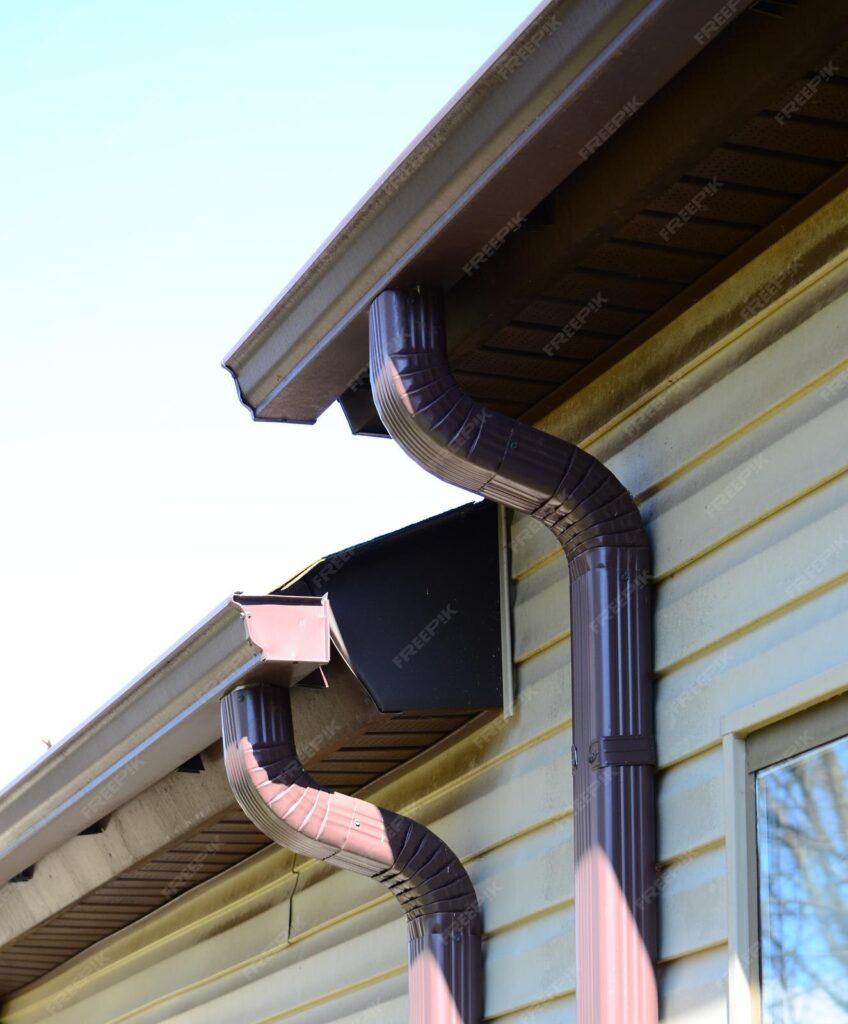
Gutters are designed to collect water from the roof and channel it safely through downspouts away from your foundation. The size of the gutter directly impacts how much water it can handle at any given time.
5-Inch Gutters
- Typically handle standard residential roofs
- Common choice for tract homes
- Suitable for smaller roof areas with moderate pitch
6-Inch Gutters
- Hold approximately 40 percent more water than 5-inch systems
- Better suited for steep roof pitches
- Ideal for larger roof surfaces
- Perform more effectively during heavy rainfall events
In neighborhoods like Meadowdale or homes near Lynndale Park, many properties feature larger roof footprints and steeper slopes. These roof designs increase the speed and volume of runoff. When water moves faster off a steep roof, it can overwhelm a 5-inch gutter system quickly.
Roof Size and Pitch Matter More Than You Think
When planning gutter installation in Lynnwood, one of the most overlooked variables is roof pitch. A steep roof sheds water faster than a low-slope roof. This creates higher flow rates during storms.
If your home has:
- A large square footage
- Multiple roof valleys
- Metal roofing
- Architectural shingles with steep pitch
The volume of water entering your gutters during heavy rain may exceed the handling capacity of a 5-inch system.
For example, a 2,500 square foot home near Lynnwood High School with a steep roof design may generate significant runoff during a heavy storm. In this case, upgrading to 6-inch seamless gutters can prevent overflow and siding damage.
The Overflow Problem
One of the most common signs that your gutters are undersized is overflow during moderate to heavy rainfall.
When gutters overflow:
- Water spills over fascia boards
- Siding becomes saturated
- Soil near the foundation erodes
- Basement moisture risk increases
- Landscape damage occurs
In Western Washington, repeated overflow is not just inconvenient. It accelerates structural wear. Homes near Martha Lake often have softer soil conditions. If water repeatedly saturates the perimeter of the foundation, long-term settling issues may develop.
A properly sized gutter system prevents this scenario.
Downspout Capacity and Placement
Gutter size alone is not the only factor. Downspout sizing and placement are equally important.
If a 5-inch gutter is paired with insufficient downspouts, water has nowhere to go during heavy rainfall. Even with proper slope, the system can back up quickly.
Best practices for homes in Lynnwood include:
- Increasing downspout size to match gutter capacity
- Adding additional downspouts for larger roof spans
- Extending discharge points away from the foundation
- Installing proper drainage solutions when needed
At Skilled Roofing, gutter installation projects in Lynnwood always involve evaluating the entire water management system, not just the visible gutter channel.
Tree Coverage and Debris Load
Areas like Alderwood Manor and Meadowdale have dense tree coverage. Pine needles, leaves, and moss frequently enter gutter systems.
A 5-inch gutter that might technically handle rainfall volume can become compromised when debris reduces interior space. Once partially clogged, capacity drops significantly.
In these cases, upgrading to a 6-inch seamless gutter provides additional tolerance before overflow occurs. Pairing the system with professional-grade gutter guards can further improve performance.
Seamless Gutters vs Sectional Gutters
Another factor to consider during gutter installation in Lynnwood is whether to choose seamless or sectional gutters.
Seamless Gutters
- Custom fabricated on site
- Fewer joints and leak points
- Stronger overall structure
- Better suited for high rainfall regions
Sectional Gutters
- More joints
- Higher risk of leaks over time
- Often less durable in wet climates
In Western Washington’s damp environment, seams become weak points over time. Seamless aluminum or steel gutters offer greater longevity and performance during heavy rainfall events.
Skilled Roofing typically recommends seamless systems for long-term durability in Lynnwood neighborhoods.
Signs Your Current Gutters Are Undersized
If you already have 5-inch gutters installed, here are warning signs they may not be sufficient:
- Water spilling over the edge during rain
- Staining on siding below gutter lines
- Rotting fascia boards
- Soil erosion near the home
- Standing water near the foundation
- Frequent clogging despite regular cleaning
Homeowners near Lynndale Park or in areas with heavy moss growth often notice these issues during fall and winter storms.
If you see these symptoms, upgrading the gutter size may prevent further damage.
Cost Considerations: Is Upgrading Worth It?
Many homeowners hesitate to move from 5-inch to 6-inch gutters due to cost. However, the price difference is often modest compared to the potential cost of:
- Foundation repair
- Siding replacement
- Roof deck damage
- Interior water remediation
In Lynnwood’s climate, investing in proper gutter sizing is preventative maintenance, not an upgrade luxury.
When Skilled Roofing performs gutter installation in Lynnwood, the evaluation includes rainfall volume, roof size, pitch, and drainage patterns to ensure the system is designed for long-term performance.
Building Code and Local Best Practices
While building codes may allow 5-inch gutters on many homes, best practices in high rainfall regions often exceed minimum requirements.
Experienced contractors consider:
- Rainfall intensity data
- Roof catchment area calculations
- Valley concentration points
- Soil drainage characteristics
- Proximity to wooded areas
This level of analysis ensures that the system works during peak storm conditions, not just average rain days.
When 5-Inch Gutters Are Still Appropriate
It is important to clarify that 5-inch gutters are not inherently inadequate. They are appropriate when:
- Roof size is smaller
- Pitch is moderate
- Tree coverage is limited
- Rainfall concentration points are minimal
- Downspout placement is optimized
Each home should be evaluated individually. The key is proper assessment rather than default sizing.
Why Professional Evaluation Matters
Gutter systems are part of a larger roofing and exterior protection strategy. Improper sizing can shorten roof lifespan and increase repair frequency.
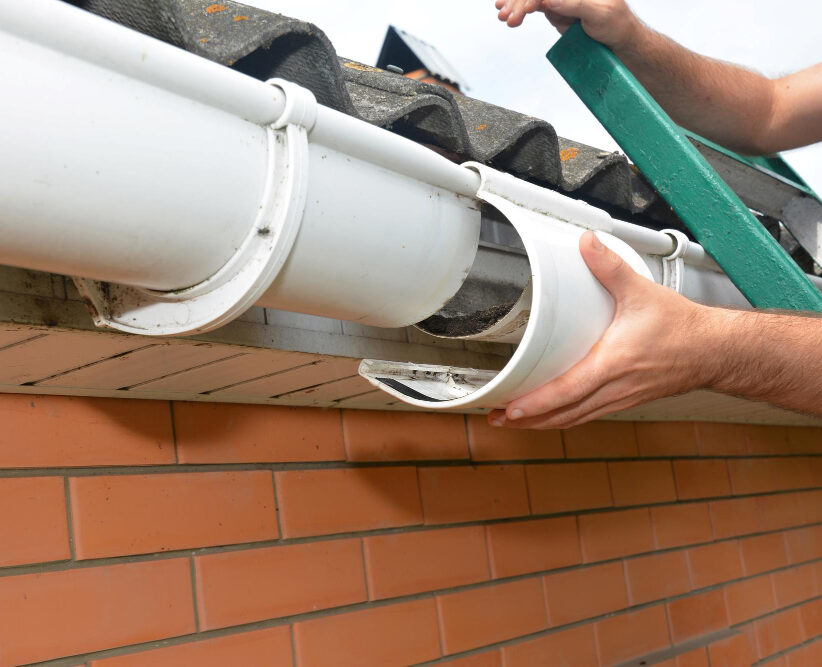
A professional evaluation includes:
- Roof measurement
- Water flow calculations
- Inspection of fascia and soffits
- Assessment of existing drainage
- Identification of vulnerable areas
Skilled Roofing has experience working throughout Lynnwood, including Alderwood Manor, Martha Lake, and Meadowdale. Understanding local rainfall patterns and neighborhood conditions allows for accurate recommendations rather than one-size-fits-all solutions.
Protecting Your Lynnwood Home the Right Way
Western Washington rainfall is persistent and demanding. While 5-inch gutters may work in drier climates, many Lynnwood homes benefit from larger capacity systems.
If you are planning gutter installation in Lynnwood, do not assume the standard size is sufficient. A properly engineered system protects your:
- Roof structure
- Fascia and soffits
- Siding
- Landscaping
- Foundation
Choosing the correct size now prevents water damage later.
Schedule a Professional Gutter Evaluation with Skilled Roofing
If you live in Lynnwood and are unsure whether your current gutters are properly sized, Skilled Roofing can help. Our team evaluates roof pitch, surface area, rainfall exposure, and drainage conditions before recommending the right solution.
Whether you need a full upgrade to 6-inch seamless gutters or a properly designed 5-inch system with optimized downspouts, Skilled Roofing provides expert gutter installation in Lynnwood built for Western Washington weather.
Contact Skilled Roofing today to schedule your on-site assessment and protect your home with a gutter system designed to handle Lynnwood rainfall confidently and efficiently.