- 16303 Hwy 99 Ste B-2, Lynnwood, WA 98087
- Call Us: 425-737-7760
- Hours: Mon - Fri 8am - 6pm / Sat - Sun 9am - 5pm
Choosing a roofing contractor comes down to five checks: verify their Washington L&I registration and bond, confirm active liability insurance, get a written, itemized estimate, check references from recent local jobs, and get everything — scope, materials, timeline, warranty — in a signed contract before any work begins. Skipping any one of these is where most bad roofing experiences start, from surprise costs to unlicensed workers to warranty claims that go nowhere.
This checklist walks through exactly what to verify, what questions to ask, and the red flags that separate a legitimate contractor from a risky one.
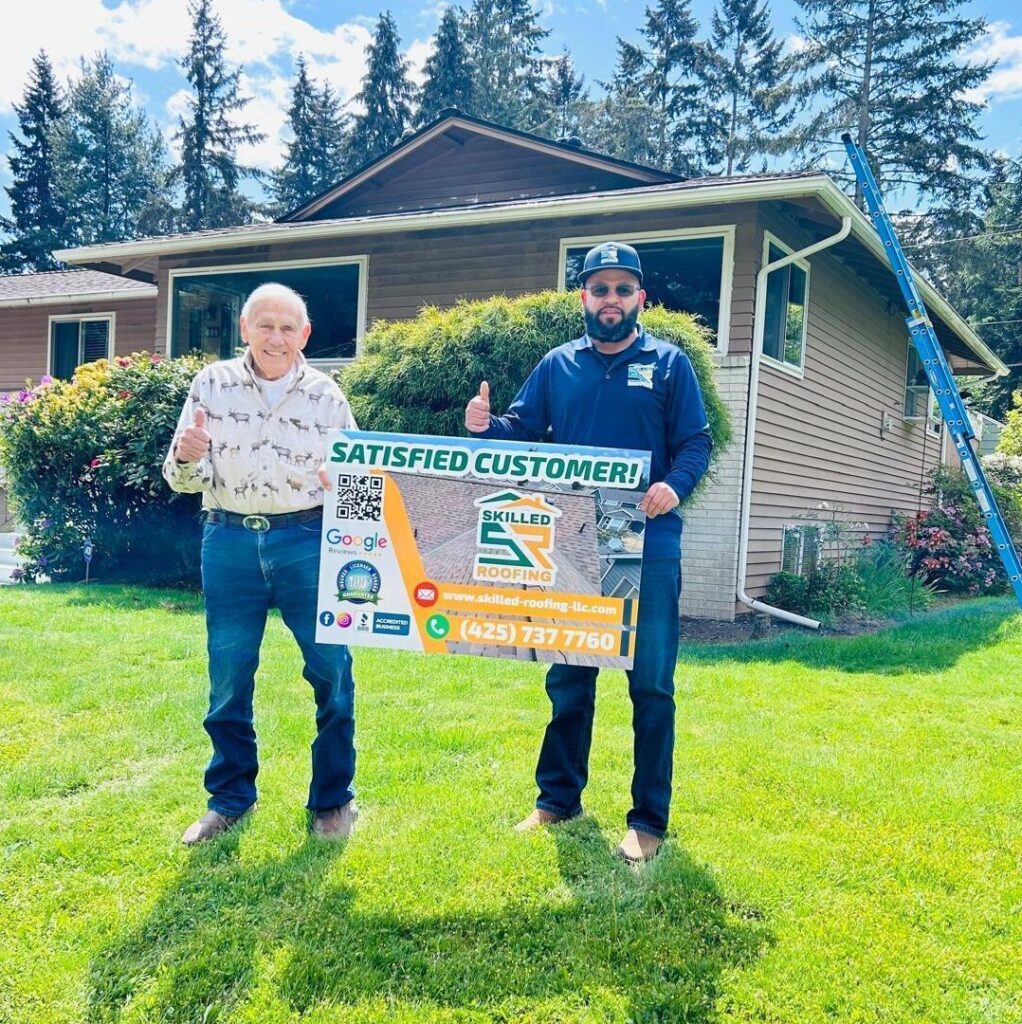
A trustworthy contractor provides a written estimate that itemizes the job — not a vague single number. It should specify:
If an estimate is a single lump-sum number with no breakdown, ask for an itemized version before comparing it to other bids — otherwise you’re not actually comparing apples to apples.
In Washington, every contractor — including specialty roofing-only firms — must be registered with the Department of Labor & Industries (L&I) under the Contractor Registration Act (RCW 18.27). This isn’t optional, and it’s the single fastest way to screen out unqualified operators.
A contractor who can’t produce proof of registration, bond, and insurance on request shouldn’t be doing work on your home, regardless of how good their pricing looks.
Roofing warranties typically involve two separate layers, and homeowners often assume they’re the same thing:
Ask specifically: What’s covered under the workmanship warranty, and for how long? What voids it? A contractor who’s vague about their workmanship warranty, or offers none at all, is a signal worth taking seriously — installation errors are the leading cause of premature roof failure, not material defects.
Licensing proves legal eligibility to work — it doesn’t prove quality. For that, look at track record:
ideally in your specific area, since roofing challenges (moss, wind exposure, drainage) vary by neighborhood and microclimate.
Certified installer status with major shingle or membrane manufacturers (GAF, CertainTeed, etc.) often unlocks stronger warranty coverage than a standard installation.
Look specifically at how the company responded to any negative reviews — it tells you more about how they handle problems than the 5-star reviews do.
Contractors who frequently dissolve and reopen under new names are often avoiding accumulated complaints or unresolved claims.
Washington’s Contractor Registration Act exists specifically to give homeowners recourse, but that recourse depends on having a clear, written agreement. Before work begins, the contract should specify:
Use the Washington Department of Labor & Industries’ free online Contractor Verify tool. It shows registration status, bond and insurance information, and any complaint or infraction history for the specific contractor.
Washington law restricts how much a contractor can require upfront before work begins. A reasonable deposit is a modest percentage of the total, with the balance tied to project milestones or completion — be cautious of any contractor requesting the majority of payment before work starts.
The manufacturer’s warranty covers defects in the roofing material itself, often for decades. The workmanship warranty, provided by the contractor, covers installation errors and is typically much shorter — homeowners should get its exact terms in writing before hiring.
Yes. Getting at least three itemized quotes is the standard recommendation — it not only helps you compare pricing fairly, but also helps you spot outliers, whether unusually high or suspiciously low, before committing.
"*" indicates required fields