
How Can Dry August Weather Make Roof Installation Easier in Lynnwood?
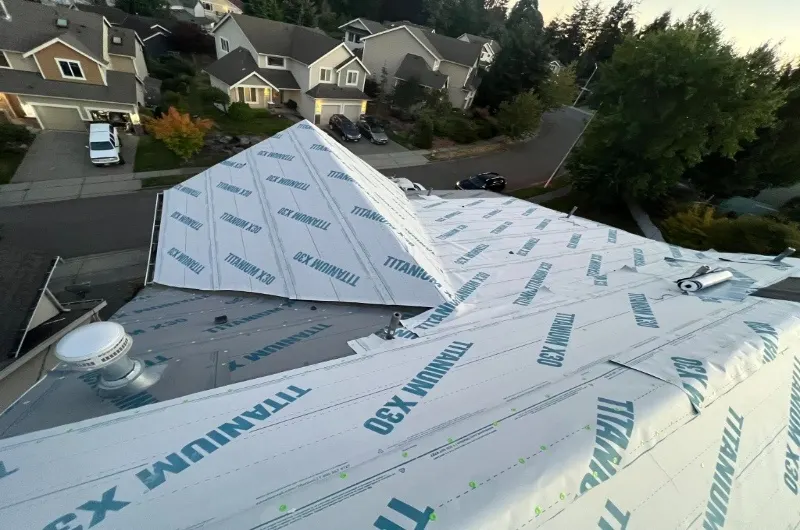
Roof installation depends on more than materials and tools. Every time a roofing crew opens a section of an existing roof, moves bundles into position, or prepares the next stage of work, the weather becomes part of the day’s plan. That makes August particularly useful for roof installation in Lynnwood. Compared with the wetter months typical of Western Washington, stretches of dry late-summer weather can give roofing crews longer opportunities to organize work without repeatedly shifting into rain-protection mode. The advantage is not simply that “sunny weather is better for roofing.” Dry conditions can influence how a crew sequences work, manages materials, controls debris, moves around the property, and closes out unfinished areas at the end of the day. Understanding these practical differences can help Lynnwood homeowners know what professional installation planning actually looks like. What Does a Dry Weather Window Mean to a Roofing Crew? A homeowner may see a forecast showing several clear days and think, “Great, the roof can go on.” A roofing crew sees something more detailed. They need to determine how much work they can reasonably open, complete, and secure within the available conditions. That requires coordinating labor, equipment, material placement, tear-off areas, property access, and the forecast. A dry weather window gives the crew more control over that coordination. Instead of constantly switching between productive roofing work and protecting the site from precipitation, workers can maintain a steadier rhythm between different tasks. That does not mean rushing through the installation. It means having fewer weather-driven changes competing with the planned workflow. For a professional crew, the value of an August dry spell comes down to one word: control. Can Dry August Days Make Tear-Off More Manageable? Removing existing roofing creates one of the most active stages of a replacement project. Old roofing materials need to come off the structure and move safely to a designated disposal area. At the same time, workers need to maintain safe access around the roof and keep the property below organized. Dry weather can make that process easier to control. Workers can establish debris routes, position collection equipment, and move removed materials without rainfall complicating surfaces around the house. A dry work area can also make it easier to maintain clearly defined zones for roofing materials, equipment, and discarded materials. Most importantly, a professional crew can coordinate the amount of roof it opens with the amount of work it expects to complete. A sunny morning should never encourage unnecessary exposure. Good roofing practice involves working in manageable sections regardless of how promising the forecast looks. Why Does Material Movement Matter During Roof Installation? Roofing materials move several times before they become part of your home. They arrive at the property, get staged in appropriate locations, move toward the active work zone, and eventually reach the roof. Each movement needs coordination because roofing materials can be heavy, bulky, and spread across different parts of the project. Dry August conditions can simplify those movements. Crews can organize shingle bundles, underlayment, flashing components, fasteners, and other supplies without having to repeatedly rearrange the site in response to rainfall. Efficient staging also reduces unnecessary trips across the property. That matters because a well-run roof installation should not turn the entire yard or driveway into an uncontrolled construction zone. Contractors should know where incoming materials belong, where removed materials will go, and which pathways workers need to keep clear. The homeowner may never see this planning reflected in the finished shingles, but it can make a noticeable difference during the project itself. How Can Dry Weather Improve the Flow of Work Across the Roof? Roofing crews rarely perform one task from morning until afternoon. Different workers may handle removal, material movement, preparation, installation details, and cleanup. These activities need to stay coordinated so one part of the crew does not unnecessarily slow another. Dry conditions can help preserve that coordination. For example, workers can move materials toward the next active section while another part of the crew completes current installation work. Debris removal can continue without repeatedly stopping to cover or relocate materials. Ground crews can keep work areas organized while roof crews progress through their assigned sections. This continuity can make the project feel more orderly from the homeowner’s perspective. It can also give supervisors a clearer view of how the day’s work is progressing because fewer weather interruptions force them to reorganize labor unexpectedly. Does August Sunshine Create Its Own Installation Challenges? A dry day can still demand adjustments. Roofing surfaces exposed to direct August sunshine can become considerably warmer than the surrounding air. Workers experience those temperatures directly because they spend much of the day on the roof rather than at ground level. Materials can also respond differently to warmer surface conditions. Professional crews need to consider actual conditions on the roof instead of relying only on the temperature displayed in a weather forecast. Work practices may need to change as sunlight moves across different roof slopes throughout the day. A shaded north-facing section, for example, may feel very different from a roof plane receiving direct afternoon sun. This is why professional weather planning involves more than avoiding rainfall. Contractors also need to consider heat, surface conditions, worker safety, and manufacturer requirements while organizing the day’s work. How Should a Crew Use a Dry Day Without Rushing the Installation? Good weather can create efficiency, but it should never create pressure to sacrifice workmanship. A roofing crew may have more uninterrupted working time during a dry August day, yet every installation detail still requires proper attention. Flashing transitions, roof edges, penetrations, fastener placement, underlayment, and other components need to follow the appropriate installation requirements. Experienced crews use favorable conditions to create a controlled workflow, not an accelerated shortcut. That distinction matters. A dry forecast may allow workers to remain productive for longer stretches, but the crew still needs to stop and address details correctly. Installation quality should determine the pace of work rather than a desire to cover as much square
Delaying Roof Installation in Lynnwood? Here’s What It May Cost You
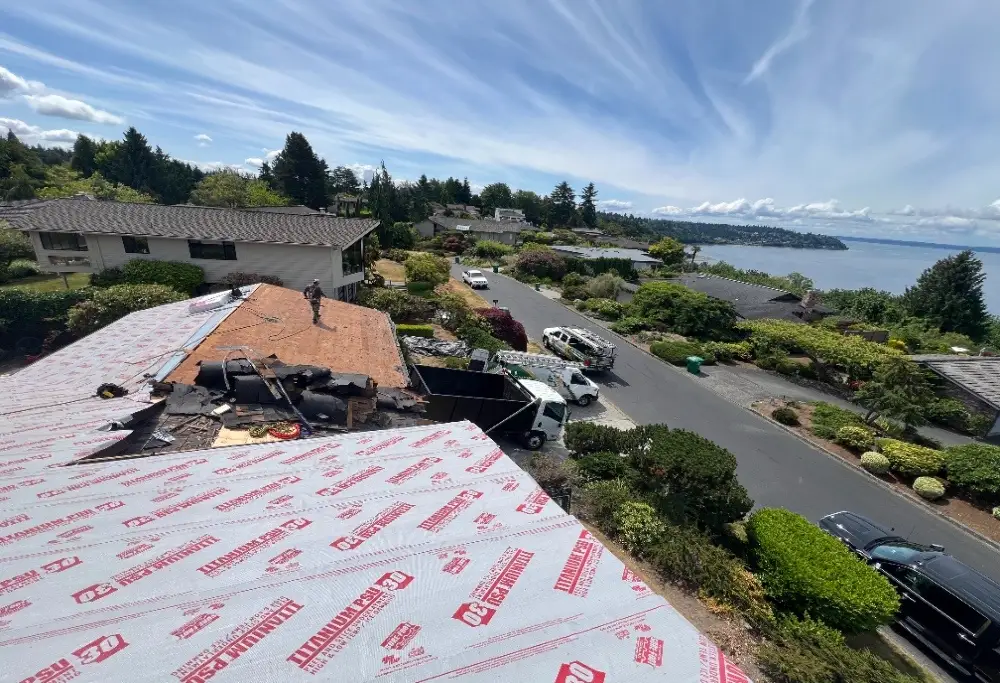
You notice a few curled shingles near the edge of your roof. Maybe there’s a small water stain forming on the ceiling, or granules collecting in your gutters after a windy Lynnwood afternoon. It does not seem urgent, so you tell yourself you will deal with it later. That is exactly how costly roofing problems often begin. In Lynnwood, roofs take a beating. Between months of heavy rain, moisture buildup, moss growth, and seasonal temperature shifts, small roofing issues rarely stay small for long. What starts as minor wear can quickly turn into leaks, insulation damage, mold growth, and expensive structural repairs. If you have been searching for “new roof construction near me” or considering “roof installation in Lynnwood”, delaying the decision may cost far more than you expect. Here is the big question:Is waiting actually saving you money, or quietly increasing the final bill? Why Does Delaying Roof Installation in Lynnwood Become So Expensive? Lynnwood homeowners deal with roofing challenges that many other areas do not face at the same level. Frequent rainfall, damp conditions, tree debris, and moss create constant moisture exposure. Even roofs that appear “fine” from the ground may already be deteriorating underneath. When you delay needed residential roof installation, you are not just postponing replacement. You may be allowing deeper problems to develop. Common hidden issues include: The longer these problems remain untreated, the more expensive the repair becomes. 1. Are Small Roof Problems Turning Into Major Structural Damage? Many homeowners wait until water visibly enters the house. Unfortunately, by then, the damage often extends beyond the roof. A compromised roof can affect: A minor roofing issue costing a few hundred dollars today can easily become a multi-thousand-dollar restoration project. In Lynnwood, prolonged moisture exposure accelerates this process. Ask yourself: If yes, delaying may be risky. 2. How Much Can Roof Leaks Cost You Inside the Home? A roof leak rarely stays in one place. Water travels. It can move along beams, insulation, and drywall before becoming visible. That means the stain you see on your ceiling may not even be directly below the leak source. Common leak-related costs include: Drywall Replacement Wet drywall weakens quickly and may require full replacement. Mold Remediation Lynnwood’s moisture-heavy climate makes mold a serious concern. Insulation Replacement Wet insulation loses thermal efficiency and promotes mildew. Electrical Repairs Water intrusion near wiring creates safety hazards. One leak can trigger multiple repair bills. That is why proactive roof installation in Lynnwood often costs less than repeated patchwork repairs. 3. Is Your Energy Bill Rising Because of Roof Failure? Many homeowners do not connect rising utility bills with roofing problems. But roofing damage affects insulation and ventilation. When your roofing system deteriorates: Signs your roof may be affecting energy efficiency: A properly installed new roof improves: Modern roof installation companies focus on complete roofing systems, not just shingles. 4. Could Delaying Roof Replacement Lower Your Property Value? Absolutely. Your roof heavily influences curb appeal and buyer confidence. If you plan to sell your home in Lynnwood, an aging roof can create major negotiation problems. Buyers often ask: An old or visibly damaged roof can: A quality residential roof installation protects both your home and resale value. 5. Are Emergency Repairs Costing More Than Planned Installation? Emergency roofing work almost always costs more. Why? Because emergencies involve: If your roof fails during heavy rain or a windstorm, costs rise fast. That is why waiting until failure is rarely the cheaper option. Homeowners searching “roof installation near me Lynnwood” often wait until emergencies force the decision. A planned installation gives you: That puts you in control. What Are the Warning Signs You Should Not Ignore? If you notice any of these signs, schedule a professional inspection soon. Exterior Warning Signs Interior Warning Signs These signs often indicate the roof system is aging or failing. What Does the Roof Replacement Process Look Like? Many homeowners delay because they fear the process will be overwhelming. In reality, working with experienced professionals makes the roof replacement process straightforward. Here is what usually happens: 1. Roof Inspection Professionals assess roofing condition, structure, and moisture damage. 2. Estimate & Material Selection You choose roofing materials suited for Lynnwood weather. Options may include: 3. Tear-Off Old roofing materials are removed. 4. Deck Inspection Roof decking is checked for rot or damage. 5. Underlayment Installation Waterproof protection layers are installed. 6. New Roof Installation New materials are installed with proper flashing and ventilation. 7. Final Cleanup & Inspection The site is cleaned and quality checked. Professional roof installation companies ensure every layer performs as a complete system. Why Choose Skilled Roofing for Roof Installation? When it comes to roofing, experience matters. You need a contractor who understands Lynnwood’s climate and the local roofing challenges caused by rain, moss, moisture, and seasonal weather changes. That is where Skilled Roofing helps. We provide dependable roofing solutions designed specifically for local homeowners. Why Lynnwood homeowners trust us: Whether you need full replacement or new roof construction, working with a local expert reduces risk. How Much More Will Waiting Really Cost? Here is the truth many homeowners learn too late. Waiting rarely saves money. Instead, delay can lead to: A roof replacement today may feel like a major expense. A failed roof later can cost much more. Frequently Asked Questions About Roof Installation 1. How do I know if I need roof installation or just repairs? If your roof has widespread damage, repeated leaks, or is over 20 years old, installation may be more cost-effective than ongoing repairs. 2. How long does residential roof installation take? Most residential roofing projects take 1–3 days depending on roof size, material, and weather conditions. 3. What roofing material works best in Lynnwood? Architectural asphalt shingles are popular because they handle Lynnwood’s rain and moisture well while offering strong durability. 4. How much does roof installation cost? Cost depends on roof size, material, slope, and structural condition. A professional inspection gives the most accurate estimate. 5. When should