Why a Roof Leak Can Appear Far From Where Water Gets In
You walk into a bedroom after a rainy afternoon and notice a wet spot near the ceiling light. The obvious conclusion seems simple: something must be wrong with the roof directly above it. But when a roofer inspects that section, the shingles look fine. The actual opening may sit several feet uphill, beside a vent, beneath a flashing joint, or near a fastener you cannot see from the ground. Water entered there, traveled across different parts of the roof assembly, and only became visible when gravity finally gave it somewhere to drip. That journey makes roof leaks surprisingly difficult to diagnose. For homeowners considering leaky roof repair in Lynnwood, understanding this hidden movement matters. A successful repair requires more than finding wet drywall. It requires tracing the water backward until you find the point where the roof first lost its ability to keep moisture out. What Happens Between the Roof Opening and the Ceiling Stain? Think of a roof leak as a route rather than a hole. Water enters at Point A, but Point B may be where you eventually see it. Several materials and structural components sit between those two points. A typical path might look something like this: Roof opening → underlayment → decking → rafter → insulation → ceiling joist → drywall Water does not always touch every one of these components. However, each surface gives moisture another opportunity to change direction. Imagine water slipping beneath a shingle near the upper portion of a roof slope. Instead of immediately dripping into the attic, the moisture reaches the roof deck and runs along its surface. It eventually meets a framing member, follows the wood downward, reaches insulation, and finally collects above the ceiling. The stain you see indoors represents the end of that route, not necessarily its beginning. That distinction changes how a roof leak should be investigated. Why Does Water Sometimes Move Sideways Inside a Roof? Gravity pulls water downward, but “downward” does not always mean vertically toward your floor. A sloped roof creates angled surfaces. Roof decking, rafters, nails, seams, pipes, cables, and other materials can redirect moisture as it moves. Consider pouring a small amount of water onto an angled board. The water follows the board until it reaches an edge or obstruction. A similar process can happen inside a leaking roof. Several factors influence the route. 1. Roof Pitch On a pitched roof, water that gets beneath the outer roofing material may continue downhill along the decking. The steeper the surface, the more opportunity water has to move away from the original opening before reaching a place where it can drip freely. That means an interior stain may appear farther down the roof slope than the actual defect. 2. Rafters and Trusses Wood framing can act like an unintended channel. Once moisture reaches a rafter or truss, surface tension can keep it against the wood. Water may follow that member until it encounters a joint, fastener, low point, or another surface. A roofer inspecting only the area above the stain could therefore miss the actual entry point. 3. Roof Decking Seams Roof sheathing creates broad surfaces underneath the roofing system. If water gets onto the decking, it can move along panel surfaces or edges before dropping into the attic. Water staining on the underside of the deck can sometimes help a professional reconstruct that route. 4. Insulation Insulation complicates leak detection because it can absorb and redistribute moisture. Instead of producing an immediate drip, wet insulation may temporarily hold water. Once enough moisture accumulates, it can release water somewhere other than the original point of entry. This can also create a delay between rainfall and visible interior symptoms. You might experience heavy rain in the afternoon but notice a drip hours later. Can One Small Fastener Change the Direction of a Leak? Yes, and this is one of the details homeowners rarely consider. Roofing systems contain numerous nails and fasteners. When moisture reaches the underside of the decking, it may encounter a protruding fastener. A droplet can collect around that point before falling. This creates an interesting diagnostic problem. The fastener where water drips may not be where water penetrated the roof. It may simply be where traveling moisture finally found an easy place to detach from the decking. That is why finding a wet nail does not automatically solve the mystery. A professional still needs to ask: Where did the water come from before it reached that nail? That question moves the inspection toward the actual defect instead of the final drip point. Why Can Wind Change Where a Roof Leak Appears? Rain does not always fall straight down in Lynnwood. When wind accompanies rainfall, moisture can approach roofing components from an angle. Water may reach areas that remain relatively dry during calm showers. This helps explain a frustrating situation some homeowners experience: The roof leaks during one storm but stays dry during another. The difference may involve wind direction rather than the amount of rain alone. Wind-driven moisture can interact differently with roof transitions, penetrations, edges, and other vulnerable areas. A leak may therefore require a specific combination of rainfall and wind before water follows the route that reaches your interior. This intermittent behavior can make leak diagnosis more challenging. Telling your roofer when the leak occurs can provide useful clues. Mention whether you notice it during prolonged rainfall, wind-driven rain, or only storms coming from a particular direction. Those observations can help narrow the investigation. Why Might Water Appear Hours After the Rain Stops? A delayed drip does not necessarily mean a new leak has developed. The roofing assembly can temporarily hold moisture. Water may collect in insulation, along framing, or on another surface before enough accumulates to produce a visible drip. As a result, the weather outside may improve while water continues moving inside the roof assembly. This is another reason homeowners should avoid judging a leak only by what they see at a particular moment. The timing tells
The Most Common Causes of Roof Leaks in Lynnwood Homes
If you’ve ever noticed a water stain spreading across your ceiling after a rainy day, you’re not alone. Roof leaks are one of the most common problems homeowners face in Lynnwood, and they often begin with something so small that it’s easy to overlook. A loose shingle, cracked flashing, or clogged gutter may not seem urgent at first, but with Lynnwood’s steady rainfall, even a minor issue can quickly turn into expensive water damage. Understanding what causes roof leaks can help you act early and avoid larger repairs. If you’re looking for a trusted roofing company Lynnwood homeowners rely on or need roof repair in Lynnwood, knowing what to watch for is the first step toward protecting your home. Here’s the good news: most roof leaks don’t happen overnight. Your roof usually gives you warning signs before serious damage occurs. Let’s take a closer look at what causes leaks and what you can do before the next Lynnwood rainstorm puts your roof to the test. Why Do Roof Leaks Happen So Often in Lynnwood? Living in Lynnwood means enjoying beautiful greenery and a mild climate, but it also means your roof deals with a lot of rain throughout the year. Day after day, moisture, wind, falling branches, and moss slowly wear down roofing materials. The tricky part is that roof damage doesn’t always announce itself. Water can sneak beneath your shingles long before you notice a stain on your ceiling. By the time a leak becomes visible inside your home, moisture may already be affecting your insulation, roof decking, or even the wooden structure beneath your roof. That’s why routine inspections matter. Catching a small problem early is almost always easier and less expensive than repairing widespread water damage later. 1. Missing or Damaged Shingles Are Often the First Problem Think of your shingles as your roof’s shield. They protect your home from rain, wind, and moisture every single day. Over time, it’s completely normal for shingles to wear out. Strong winds can loosen them, years of weather exposure can cause them to crack, and older shingles may begin to curl or lose their protective surface. The problem is that your roof works as one complete system. If even one shingle goes missing, rainwater can begin working its way underneath the surrounding materials. You may notice: If you notice any of these signs, don’t wait until the next heavy rain. Scheduling roof leak repair early can prevent much larger repairs later. 2. Flashing Problems Can Let Water In Without You Realizing It Some of the most common roof leaks don’t happen in the middle of the roof at all. Instead, they develop around areas where different roofing materials meet. These include places like: These sections rely on metal flashing to keep water out. As flashing gets older, it may loosen, rust, or develop small gaps. Those tiny openings are all rainwater needs to find its way inside. The frustrating part is that flashing damage often stays hidden until you already have water inside your attic or ceiling. A professional inspection can catch these weak spots before they become expensive repairs. Could Your Gutters Be Causing Your Roof Leak? Most homeowners think of gutters as something that simply moves rainwater away from the house. In reality, they’re an important part of your entire roofing system. When gutters become packed with leaves, pine needles, moss, or roof debris, water has nowhere to go. Instead of flowing safely away, it backs up under the edge of your roof. Over time, that trapped moisture can damage shingles, rot wood, and eventually find its way into your home. Fortunately, this is one of the easiest roofing problems to prevent. Keeping your gutters clean throughout the year allows rainwater to drain properly and reduces unnecessary stress on your roof. 3. Moss Might Look Harmless, But It Can Shorten the Life of Your Roof If you’ve walked through Lynnwood neighborhoods, you’ve probably seen roofs covered with patches of green moss. While it might seem harmless, moss is actually one of the biggest threats to roofing systems in the Pacific Northwest. Moss holds moisture against your roof long after it rains. Instead of allowing the shingles to dry, it keeps them constantly damp. Over time, moss can: Many homeowners try to scrape moss off themselves, but that can accidentally damage shingles. Professional roof cleaning removes moss safely while protecting the roofing material underneath. 4. Small Roof Components Can Create Big Problems Not every roof leak starts with shingles. Your roof also has several smaller components that work together to keep water out. One of the most overlooked is the rubber boot that seals plumbing vents. After years of sun exposure and changing temperatures, these rubber seals naturally begin to crack or dry out. Once that happens, rainwater can slip through the opening and leak directly into your attic. Because these parts are relatively inexpensive to replace, fixing them early can save you from much larger repairs later. 5. Is Your Roof Simply Getting Older? Every roof has a lifespan. Even if it has been well maintained over the years, roofing materials naturally wear down with time. Lynnwood’s wet climate can speed up that process, especially if your roof has been through years of heavy rain, strong winds, and seasonal storms. You don’t always need a full roof replacement, but it’s important to know when your roof is telling you it needs attention. Here are a few signs your roof may be reaching the end of its life: If you’re unsure whether your roof needs repairs or replacement, a professional inspection can help you make the right decision. An experienced roofing company Lynnwood homeowners trust will explain your options honestly instead of recommending work you don’t need. 6. Storm Damage Isn’t Always Easy to Spot Lynnwood homeowners know that storms don’t always leave obvious damage behind. A few strong wind gusts or a heavy rainstorm can loosen shingles, bend flashing, or damage roof vents without leaving visible signs
Can Your Roof Survive Another Wet Pacific Northwest Summer?
You hear the rain before you even get out of bed. Another gray Lynnwood morning settles over Alderwood Manor while damp wind moves through the cedar trees outside your home. Your gutters overflow again. A faint water stain near your hallway ceiling suddenly catches your attention. Maybe you noticed it after the last heavy storm rolled through Mukilteo or Meadowdale, but now it feels impossible to ignore. If you live in Lynnwood or anywhere in Snohomish County, your roof faces months of relentless moisture every year. Over time, constant rain quietly weakens shingles, damages flashing, and creates hidden leaks beneath the surface. What starts as a small issue can quickly become major structural damage before summer even ends. Will your roof survive another wet Pacific Northwest summer, or are you already one storm away from expensive repairs? Why Does Lynnwood’s Climate Wear Out Your Roof Faster? If you own a home in Lynnwood, Edmonds, Mukilteo, or Everett, your roof handles far more moisture exposure than roofs in many other parts of the country. The Pacific Northwest climate creates the perfect environment for roofing problems to develop slowly and silently. Unlike dry regions, moisture in Western Washington stays trapped for long periods. That constant dampness gradually breaks down roofing materials and weakens your home’s protection system. Several local conditions put extra stress on your roof: If your home sits near wooded areas in North Lynnwood or Meadowdale, you may notice moss growing even faster because of increased shade and humidity. That is why many homeowners eventually search for “roofing company near me” or “roofing contractors near me” after spotting early signs of damage. How Can You Tell If You Need Roof Repair in Lynnwood? Roofing problems rarely stay hidden forever. The longer you wait, the more expensive the repairs often become. You should schedule professional roof repair in Lynnwood immediately if you notice any of these warning signs. 1. Water Stains on Your Ceiling Brown stains or bubbling paint usually mean moisture has already entered your home. 2. Curling or Missing Shingles When shingles begin curling or lifting, rainwater can slip underneath your roofing system. 3. Moss Covering Your Roof Moss traps moisture directly against shingles. In the Pacific Northwest, moss can shorten your roof’s lifespan dramatically. 4. Sagging Areas on Your Roof A sagging roofline may indicate rotting decking beneath the shingles. 5. Granules Collecting in Your Gutters If you notice granules washing into your gutters, your shingles may already be deteriorating. Ignoring these warning signs often leads to larger structural problems later. How Fast Can a Small Roof Leak Turn Into Serious Damage? You might think a small leak can wait until next season. Unfortunately, Pacific Northwest moisture does not give your roof much time. Even a minor leak can quickly lead to: The longer moisture stays trapped beneath roofing materials, the more expensive repairs become. That is why homeowners searching for “leaky roof repair near me Lynnwood” should act quickly instead of waiting for visible damage to spread throughout the home. What Should You Check After Heavy Rain in Lynnwood? If your roof has already survived several wet seasons, regular inspections become essential. Here are five things you should check after major storms. 1. Inspect Your Ceilings for Water Spots Pay close attention to hallways, vents, and attic access points. 2. Look Inside Your Gutters Excess granules often signal aging shingles. 3. Examine Roof Flashing Check areas around chimneys, skylights, and vents carefully. 4. Watch for Moss Growth Moss usually appears first on shaded roof sections. 5. Check Your Attic for Moisture Damp insulation often reveals hidden roofing leaks before ceiling stains appear. Routine inspections help you catch problems early and avoid costly emergency repairs. Roof Repair vs Replacement: Which One Do You Actually Need? One of the biggest questions you may face involves roof repair vs replacement. The right solution depends on your roof’s condition, age, and extent of the damage. Roof Repair May Be Right for You If: Roof Replacement May Be Necessary If: When you work with Skilled Roofing, you receive honest recommendations based on your roof’s actual condition, not unnecessary upselling. Why Should You Schedule a Roof Inspection Before Summer? Many homeowners wait until active leaks appear before calling a roofing professional. Unfortunately, hidden moisture damage often spreads long before you notice visible symptoms inside your home. A professional inspection can help you identify: Searching for “free roof inspection near me” before peak rainy months can help you avoid expensive emergency repairs later. Can You Fix a Roof Leak Yourself? You may feel to search online for “how to fix a leaking roof” after discovering water stains or attic moisture. While temporary DIY patches might slow active leaks briefly, they rarely solve the underlying issue completely. DIY roof repairs often fail because: Pacific Northwest roofing systems require specialized knowledge because constant moisture behaves differently here than in dry climates. Hiring experienced professionals to fix roof leak problems correctly helps protect your home long term. Why Do Homeowners in Lynnwood Choose Skilled Roofing? Not every roofing contractor understands how Western Washington weather impacts roofing systems over time. Skilled Roofing focuses on hyperlocal roofing solutions designed specifically for homes throughout Lynnwood and Snohomish County. When you choose Skilled Roofing, you receive: If you are searching for “roofing companies near me that finance”, Skilled Roofing also offers financing options that help make urgent roofing repairs more manageable. How Can You Extend the Life of Your Roof? The good news is that preventative maintenance can dramatically improve your roof’s lifespan. Here are several ways you can protect your roof year-round. Essential Roof Maintenance Tips Simple maintenance today can help you avoid major roofing expenses later. Why Do So Many Homeowners Delay Roof Repairs? You may hesitate to schedule roofing work because the damage seems minor right now. Many homeowners also worry about repair costs or assume they can wait until summer ends. Unfortunately, delays often lead to: In Lynnwood’s climate, moisture damage spreads faster than most homeowners
Why Are Roof Leaks More Dangerous in Lynnwood’s Cloudy and Rainy Conditions?
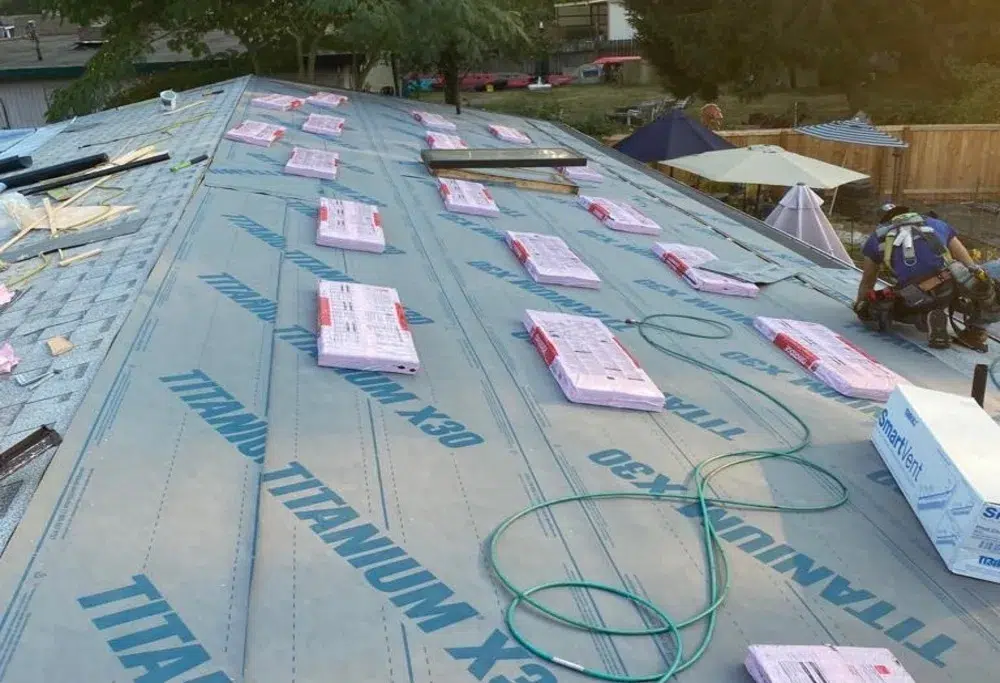
Homeowners throughout Lynnwood understand how the Pacific Northwest’s constant rain, cloudy weather, and seasonal storms can quietly damage roofing systems year-round. From Alderwood Manor and Meadowdale to Martha Lake and North Lynnwood, homes across the area face ongoing moisture exposure that gradually weakens shingles, flashing, attic ventilation, and roof decking. What starts as a small ceiling stain can quickly become a serious structural issue after weeks of damp weather. Many homeowners delay repairs because the leak seems minor or temporarily disappears during dry periods. However, Western Washington’s climate rarely allows roofing materials to fully dry out. Moisture often continues spreading beneath shingles, insulation, and attic spaces long after visible dripping stops. That is why experienced roofing contractors in Lynnwood recommend immediate inspections when homeowners notice early warning signs of a roof leak. The Hidden Impact of Coastal Moisture on Your Roof Lynnwood’s damp, overcast climate creates the perfect environment for gradual roof deterioration. Unlike regions that experience heavy storms followed by intense heat and drying conditions, Lynnwood homes face persistent moisture from frequent rain, cool temperatures, and coastal humidity throughout much of the year. This near-constant dampness keeps roofing materials saturated for extended periods, accelerating wear on shingles, flashing, and underlayment. Over time, even minor vulnerabilities can allow moisture to penetrate beneath the roof surface, leading to leaks, mold growth, wood rot, and deeper structural damage inside the home. Common roofing issues caused by Lynnwood’s wet climate include: When homeowners postpone leaky roof repair in Lynnwood, water damage rarely stays isolated to one location. Water slowly spreads beneath roofing materials and damages structural components that homeowners cannot immediately see. What Structural Damage Can Happen If You Ignore a Roof Leak? Quick Timeline: How Roof Leaks Progress in Western Washington Mold remediation and water-damage restoration can cost homeowners thousands of dollars once leaks spread into walls and insulation. Many Lynnwood homeowners assume roof leaks only damage ceilings. In reality, untreated leaks can impact nearly every major component of the home. Roof Decking Rot Roof decking forms the structural foundation beneath shingles. Continuous moisture weakens the wood, causing sagging areas and soft spots that compromise the roof’s stability. Once rot develops, roofing systems often require partial reconstruction instead of basic patchwork. Damaged Insulation and Higher Energy Bills Wet attic insulation loses its ability to regulate indoor temperatures effectively. During Lynnwood’s colder rainy seasons, this forces HVAC systems to work harder and increases monthly utility costs. Interior Water Damage Water travels unpredictably behind drywall and ceiling materials. Homeowners may notice bubbling paint, warped walls, stained ceilings, or peeling textures weeks after the leak begins. Mold and Mildew Growth Lynnwood’s damp environment allows mold colonies to spread rapidly in attics, crawlspaces, and wall cavities. Poor indoor air quality can become a serious concern for families. Many homeowners searching for “leaky roof repair services” do not realize mold remediation costs can exceed the original roofing repair expenses. Electrical System Risks Water intrusion near attic wiring creates additional safety hazards. Moisture exposure can damage electrical systems and increase fire risks inside the home. How Fast Can Roof Damage Spread During Lynnwood’s Rainy Season? In Lynnwood’s climate, roofing damage often progresses faster than homeowners expect. Light rain may seem harmless compared to major storms, but consistent moisture exposure creates long-term deterioration that compounds over time. Several factors accelerate roof damage in Lynnwood and throughout Western Washington: In Lynnwood, prolonged wet seasons can quickly turn a minor roofing issue into a major structural problem. Even a small leak may spread within weeks, damaging insulation, drywall, ceilings, and wooden roof decking. This is why many homeowners in Lynnwood begin searching for terms like “emergency roof repair near me” after discovering water stains, ceiling leaks, or dripping roofs during heavy rainstorms. What Warning Signs Should Lynnwood Homeowners Never Ignore? Many roofing problems begin quietly before major water intrusion becomes visible. Recognizing early warning signs can help Lynnwood homeowners avoid costly structural damage and “repair a leaky roof” before the issue worsens. Water Stains on Ceilings Brown or yellow ceiling stains often indicate active roof leaks hidden above attic spaces. Musty Odors Indoors Persistent damp smells usually signal trapped moisture or mold growth behind walls and insulation. Curling or Missing Shingles Moisture weakens asphalt shingles over time, especially during Lynnwood’s long rainy seasons. Moss Growth on Roofing Surfaces Moss traps moisture against shingles and accelerates roofing deterioration. Dripping During Light Rain Even occasional dripping during light rainfall often indicates serious flashing or underlayment problems. Sagging Roof Areas Visible roof sagging may suggest advanced decking rot beneath the surface. Rising Utility Bills Higher utility bills may indicate moisture-damaged insulation. Roof inspections help Snohomish County homeowners catch hidden roofing problems early. Why Is DIY Roof Leak Repair Risky? Many homeowners attempt temporary roofing fixes after spotting small leaks. Unfortunately, Lynnwood’s wet climate and slippery roofing conditions make DIY repairs especially risky. DIY roof repairs often fail due to hidden leaks, improper materials, and temporary fixes that trap moisture. Experienced roofing contractors can identify the true source and provide lasting repairs. How Do Roofing Contractors Repair Roof Leaks in Lynnwood? Experienced roofing professionals use detailed inspection methods to locate and repair leaks correctly. Full Roof Inspection Contractors inspect shingles, flashing, gutters, attic ventilation, roof decking, and moisture-prone areas. Moisture Detection and Leak Tracing Roofing specialists identify where water enters the system and evaluate how far the damage has spread. Structural Damage Assessment If moisture has compromised decking or insulation, contractors determine whether replacement materials are necessary. Long-Term Waterproofing Solutions Professional repairs focus on preventing recurring moisture intrusion instead of applying short-term patches. Preventative Recommendations Reliable contractors also recommend maintenance strategies designed specifically for Lynnwood’s climate conditions. Homeowners searching for “leaky roof repair near me” should always work with licensed local professionals who understand Pacific Northwest roofing systems. Why Preventative Roof Maintenance Matters in Lynnwood Preventative roof maintenance helps avoid costly repairs by detecting moisture issues before structural damage worsens. Preventative roof maintenance typically includes: Lynnwood homeowners who schedule annual inspections often avoid expensive
Why Lynnwood Homes Are Prone to Roof Leaks (And How to Fix Them)
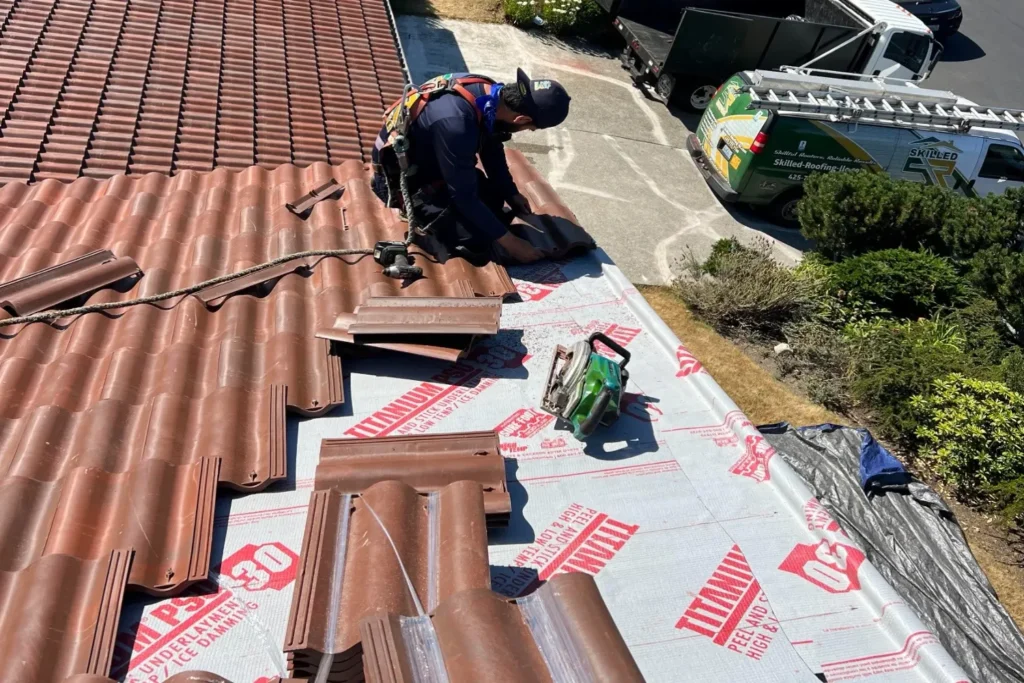
A roof leak rarely begins as a major concern. In many Lynnwood homes, it starts subtly perhaps a faint discoloration on the ceiling or a slight dampness after a long stretch of rain. Over time, however, these small warning signs can escalate into significant structural issues, especially in a region known for consistent moisture and unpredictable weather patterns. Homeowners often underestimate how quickly a minor leak can compromise insulation, weaken roofing materials, and impact indoor comfort. Given Lynnwood’s climate and the aging infrastructure of many residential properties, roof leaks have become an increasingly common challenge. This makes timely intervention and professional assessment essential. Whether you are dealing with early signs of damage or actively searching for “leaky roof repair in Lynnwood”, understanding the root causes is the first step toward protecting your investment and ensuring long-term durability. Why Lynnwood Homes Experience Frequent Roof Leaks 1. Persistent Rainfall and Moisture Exposure in Lynnwood Lynnwood’s climate plays a significant role in roof deterioration. Continuous rain, damp conditions, and seasonal storms create the perfect environment for leaks. Homes that lack proper drainage or have aging roofs become highly susceptible to water intrusion. 2. Aging Roof Materials in Residential Neighborhoods Many Lynnwood homes were built decades ago, and not all roofs have been upgraded accordingly. Without timely leaky roof repair in Lynnwood these minor issues evolve into costly structural damage. 3. Poor Roof Installation or Workmanship Not every roofing job meets high standards. Improper installation can lead to immediate or long-term leaks. Common installation flaws include: Choosing a trusted roofing companyensures that your roof is installed correctly from the start. 4. Clogged Gutters and Drainage Problems Gutters play a critical role in directing water away from your home. When clogged, they become a major source of leaks. Routine gutter cleaning is essential to prevent unnecessary roof stress. 5. Storm Damage and High Winds in Lynnwood Strong winds and seasonal storms frequently impact Lynnwood homes. After any storm, it’s wise to inspect your roof or seek leaky roof repair services immediately. Signs You Need Leaky Roof Repair in Lynnwood Recognizing early warning signs can save you thousands in repairs. Watch for These Indicators: If you notice any of these, searching for “leaky roof repair near me” is a smart first step. How to Fix Roof Leaks Effectively 1. Conduct a Professional Roof Inspection A thorough inspection identifies both visible and hidden damage. Professional inspections ensure accurate solutions rather than temporary fixes. 2. Repair or Replace Damaged Shingles Shingles act as your roof’s first line of defense. This is one of the most common solutions in leaky roof repair services. 3. Fix Flashing and Seal Vulnerable Areas Flashing protects joints and edges where leaks often occur. Proper sealing prevents recurring leaks. 4. Improve Roof Ventilation Poor ventilation traps moisture, accelerating roof damage. Balanced airflow keeps your roof dry and durable. 5. Clean and Maintain Gutters Regularly Prevent water accumulation by maintaining clear gutters. This simple step reduces the need for frequent repairs. Why Hiring a Local Lynnwood Roofing Expert Matters Choosing a local contractor offers significant advantages. Benefits of Local Expertise: When searching for a “roofing company near me,” prioritize professionals who understand the unique challenges of Lynnwood homes. Preventive Tips to Avoid Future Roof Leaks Prevention is always more cost-effective than repair. Follow These Best Practices: Taking proactive steps reduces long-term risks and expenses. Why Choose Skilled Roofing for Leaky Roof Repair Services When it comes to protecting your home, expertise matters. Skilled Roofing provides reliable, high-quality solutions tailored to Lynnwood homeowners. What Sets Us Apart: Whether you need urgent help or routine maintenance, our leaky roof repair services ensure lasting results. Frequently Asked Questions 1. What is the most common cause of roof leaks in Lynnwood? Heavy rainfall and aging roofing materials cause most leaks. 2. When should I fix a roof leak? Fix it immediately after noticing any signs. 3. How can I tell if my roof needs repair? Look for water stains, missing shingles, or mold. 4. What determines the cost of leaky roof repair in Lynnwood? Damage severity, materials, and labor affect the cost. 5. How often should I schedule roof inspections? Inspect your roof once a year and after storms. Prevent Costly Roof Damage in Lynnwood Today If you have noticed any signs of damage or have been searching for “emergency roof repair near me”, now is the time to act. Delaying repairs can significantly increase both the severity of the problem and the cost involved. Professional intervention ensures that the root cause is addressed effectively, preventing recurring issues and extending the lifespan of your roof. Skilled Roofing stands ready to deliver fast, reliable, and high-quality leaky roof repair services tailored to Lynnwood homeowners. Our experienced team understands local conditions and provides solutions that last. Do not wait for the problem to worsen, contact us today at 425-737-7760 and secure your home before the next storm arrives.