
Do Hillside Homes in Edmonds Need a Different Gutter Installation Strategy?
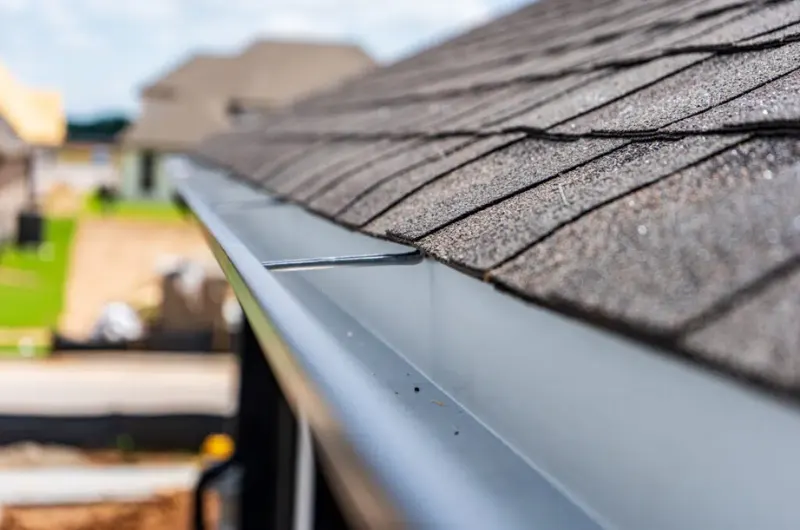
Two homes in Edmonds can receive the same rainfall yet manage that water very differently. One reason is easy to overlook: the shape of the property itself. When a home sits on sloped terrain, gravity influences runoff across the entire lot. Water discharged at a higher elevation may cross landscaping, meet a driveway, move toward a lower level of the house, or combine with runoff from another part of the property. That makes gutter installation in Edmonds more than a roof-edge project for some hillside homes. The real challenge is not simply collecting rain from the roof. It is deciding where concentrated roof water should enter a property that already has its own natural downhill flow. Why Does Lot Topography Matter for Gutter Installation in Edmonds? Every property has contours that influence surface water. On a relatively flat lot, those changes may appear subtle. A hillside property makes them much easier to see. One side of the house may sit several feet higher than another, while landscaping, stairs, retaining features, or a sloped driveway connect different elevations. This matters because downspouts release concentrated roof runoff at specific points. A location that looks convenient from the roofline may make less sense when viewed from ground level. Once water reaches the property, the grade determines where gravity tries to take it next. Skilled Roofing’s identifies hillside construction as one of the conditions local properties can face. It also notes that hillside homes may experience concentrated runoff around valleys and slope transitions. For that reason, a hillside gutter strategy should start with two perspectives: where the roof collects water and how the lot redirects it at ground level. Should Contractors Evaluate the Uphill and Downhill Sides Separately? Yes. Treating every side of a hillside home the same can overlook how differently water behaves at each elevation. What Happens on the Uphill Side? The uphill side of a property may already receive surface runoff from higher ground. Imagine rain moving naturally down a landscaped slope toward the house. If a downspout adds concentrated roof runoff to that same area, two sources of water now interact. Before choosing a discharge location, a contractor should look at questions such as: This type of assessment focuses on the relationship between the roof drainage system and site topography, rather than considering either one independently. What Happens on the Downhill Side? The downhill side presents almost the opposite situation. Gravity may naturally move water away from the immediate building perimeter, but that does not automatically make every downhill location suitable for discharge. Contractors should look beyond the outlet and consider what occupies the lower portion of the property. A downhill path could eventually encounter a patio, walkway, driveway, landscape bed, retaining feature, lower entrance, or neighboring property. The important question becomes: What will the site’s contours do with concentrated water once it reaches this elevation? How Can the Shape of Your Lot Redirect Downspout Discharge? A downspout may point water away from the house and still create an ineffective drainage route farther across the property. Consider a downspout that terminates beside a landscaped slope. At the outlet, everything appears correct. Water moves away from the exterior wall. However, the slope may guide that runoff diagonally across the yard until it reaches a lower walkway. The walkway may then carry the water toward steps or another part of the home. In another situation, the land may funnel runoff toward a low section shared by several drainage areas. These examples show why the first few feet beyond the downspout do not always tell the whole story. For hillside properties, contractors should consider the likely discharge zone and how the surrounding grade influences it. Can Separate Downspouts Send Water Toward the Same Low Point? This is one of the more easily overlooked characteristics of a sloped property. Imagine three downspouts located on different sides of a house. From the roof, they appear completely separate. Each handles a different drainage area and terminates in a different location. Now look at the property from above. Because the entire lot slopes toward one corner, water from all three areas may eventually move toward the same lower section. The gutter system has separated the roof runoff, but the terrain has brought it back together. That distinction matters when planning gutter installation in Edmonds for a hillside home. Evaluating downspouts individually may not reveal how their discharge paths interact across the property. A site walk can help identify natural low points and areas where multiple surface-flow paths may converge. Why Do Split-Level and Stepped Homes Need More Careful Discharge Planning? Homes built into hillsides often follow the elevation of the land. That can produce stepped foundations, lower-level entrances, daylight basements, elevated decks, garages at different levels, and exterior living areas below upper sections of the house. These architectural features create an important question: Can water discharged safely at one level reach another part of the home farther downhill? For example, an upper downspout may release water well away from the wall. The ground then slopes toward a lower patio or entrance. From the upper level, the discharge location appears successful. From the lower level, the same water may become part of a larger surface-flow pattern. That is why “direct water away from the house” can be too simplistic for stepped hillside properties. The contractor should consider how the home’s different elevations relate to one another. Can Driveways and Walkways Alter the Planned Discharge Route? Hard surfaces can act like unexpected pathways for water. Soil and landscaped areas may slow or absorb some surface water depending on conditions. Concrete, asphalt, and other hard surfaces behave differently. Once runoff reaches them, the slope of the surface can quickly determine its next direction. A sloped driveway is a good example. Suppose a downspout releases water into landscaping several feet from the home. The landscaping slopes toward the driveway, and the driveway slopes toward a lower garage entrance. The downspout may not point anywhere near the garage, yet the site’s